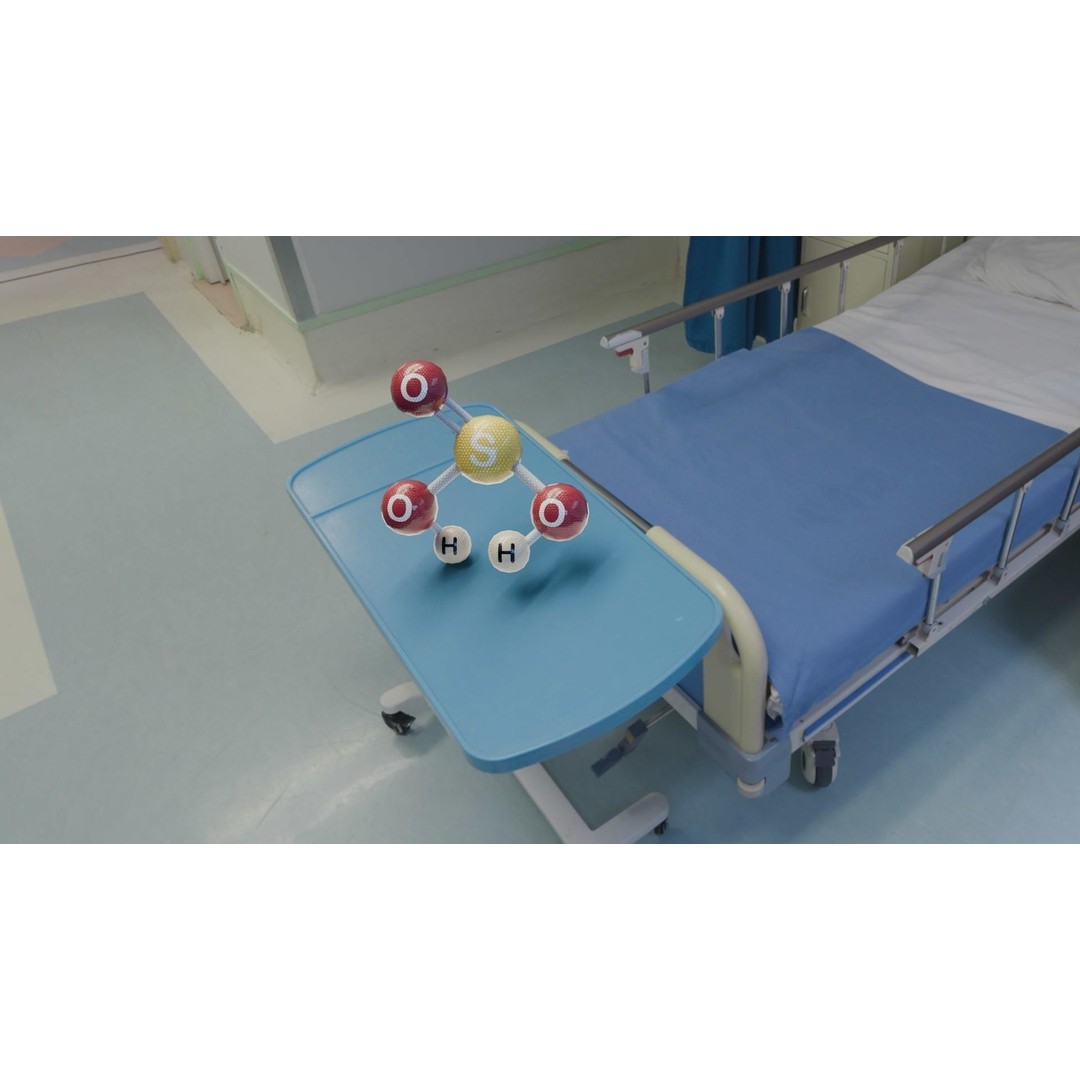
Sulfurous Acid 3D Model – Low Poly Animated Science Asset, FBX
File Formats
Native Format
Exchange Formats
Features
File & scene
Geometry
Textures & material
UVs & naming
3D Features
Unwrapped UVs
Download information
After purchase, you will receive an email within several hours with a download link to access your files.
Description
Explore the fascinating world of chemistry with this Sulfurous Acid 3D Model, designed for both educational and professional use. This low-poly asset is perfect for animations, scientific visualizations, and interactive learning environments.
Crafted in Blender 4.1 and provided in the versatile FBX format, this model features a polygon mesh with high-quality PBR textures. The low polygon count ensures optimal performance without sacrificing detail, making it an excellent choice for game development and simulations.
- File Formats: Blender (.blend), FBX
- Poly Count: 840 Verts, 648 Faces, 1,296 Tris
- Geometry: Manifold, no N-gons or faceted geometry
- Textures & Materials: PBR textures with assigned materials
- UV Mapping: Unwrapped with no overlaps
- Animation: Yes, rigged for movement
This model is ideal for educators, students, and developers looking to create immersive learning experiences or simulations in scientific contexts. Whether you're working on a game, an educational app, or a virtual lab, this asset will enhance your projects.
Ready to integrate into your workflow? Download now and add this essential science asset to your collection!